
Steve West Interview with Gena Kenny
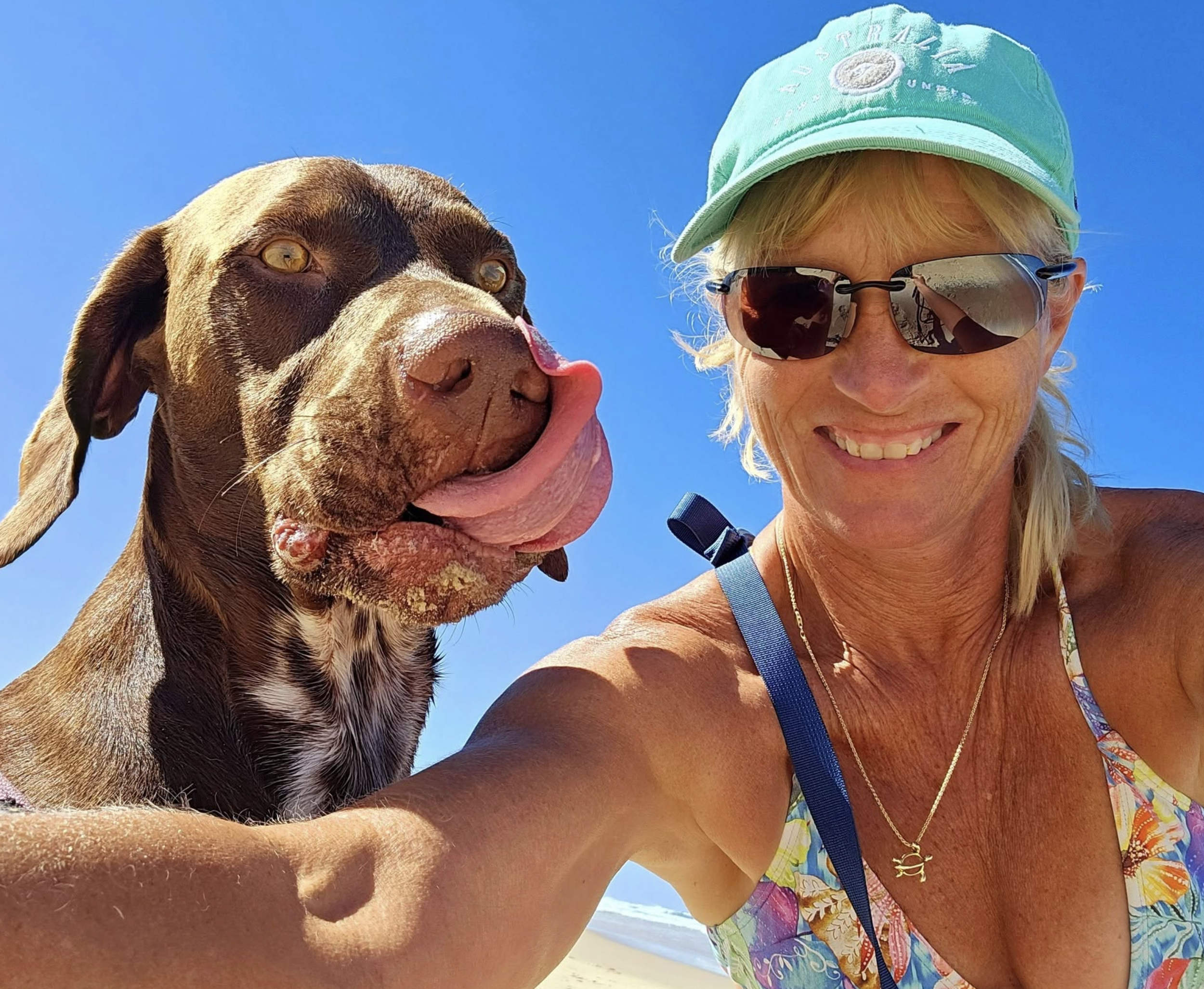
Few people have shaped and elevated outrigger canoeing as much as Steve West. His contribution to our sport is truly immeasurable. Long before social media, online paddling channels and the instant communication we take for granted today, Steve's words became a bridge connecting our global paddling 'ohana.
Through his stories celebrating culture, technical instruction, event coverage and reflections on the spirit of outrigger canoeing, Steve brought paddlers together from across the world. His work created a sense of connection and shared purpose that helped strengthen our international paddling community.
But Steve's contribution didn't stop at the written word. His role in AOCRA in governance and the creation of the outrigger-specific coaching manual has guided countless paddlers and coaches across Australia,
Steve West’s voice has been - and continues to be - one of the strongest currents carrying our sport forward. For this, and so much more, we say Mahalo. Enjoy this special interview with a true legend of our sport.
Yours in paddling, Gena Kenny
AOCRA Community & Culture
Can you share your outrigger journey with us? When and where did you first begin outrigger canoe paddling, and what initially attracted you to the sport?
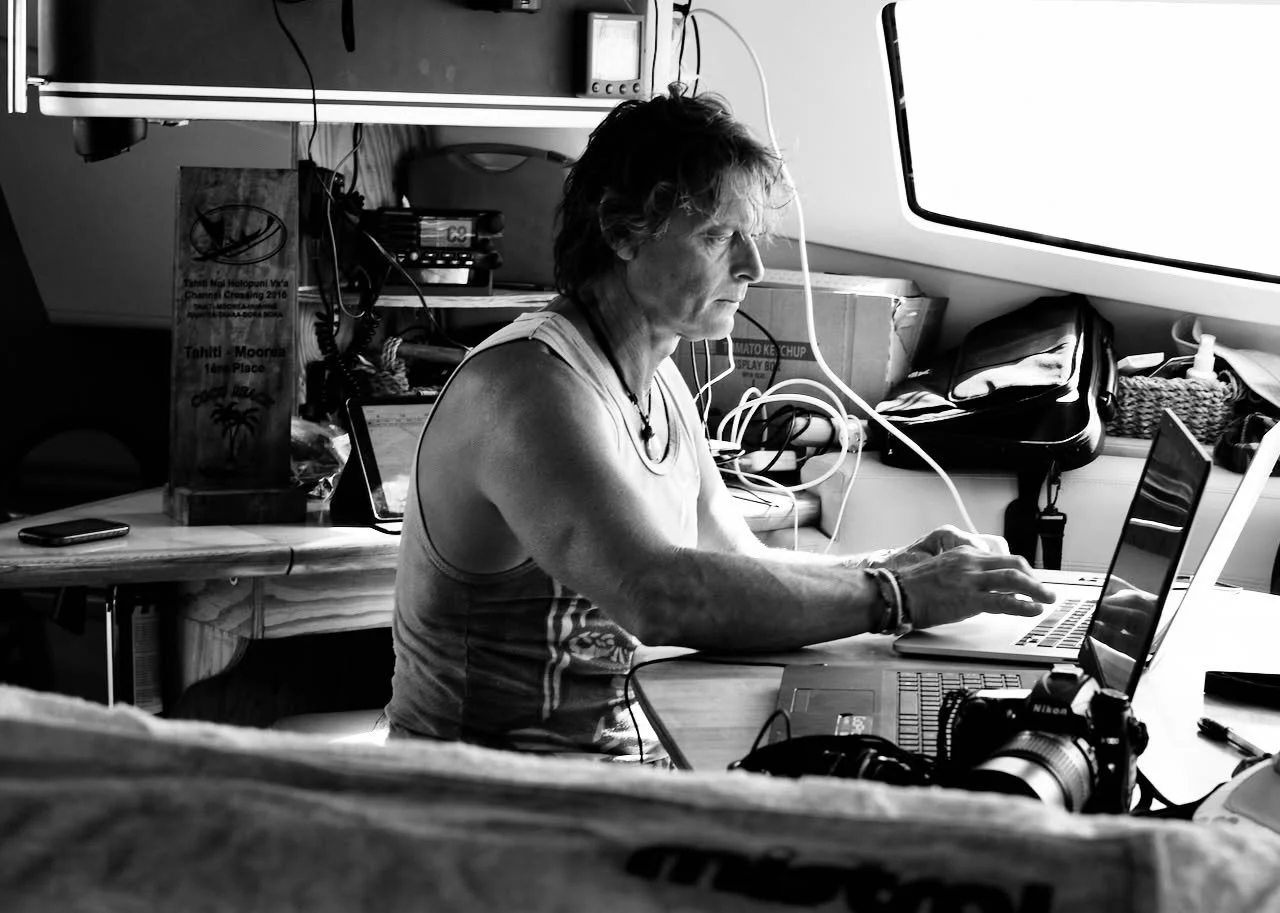
My father sailed his trimaran over from Fiji to Australia in 1982 and moored in front of the Mooloolaba Yacht Club on the Sunshine Coast, Queensland. I visited him that Christmas from the UK and ended up moving there. Late in 1989, one evening near the Mooloolaba Wharf, I saw five guys in an OC6 with a spare seat. I started talking to them, and before I knew it, I was sitting in seat five, swinging a paddle.
The following evening, I was invited to a meeting at Ken Guy’s office, a realtor, where the Mooloolaba Outrigger Canoe Club was formally created, and I volunteered as media liaison officer. Several members had worked on Hamilton Island and were already outrigger canoeists, who had acted as the catalyst. The late Tony Henebery had loaned a canoe to get the club started. At the time, one new club was forming a month in Queensland alone.
One of our first races was at Airlie Beach in that same year; in December, I think. We had an Open Men’s and Women’s crew. That race did it for me; I was hooked - hooked on the physicality, the intricacies of rigging, the acquisition of new skills, teamwork, the primal simplicity and its roots in Oceania.
From this introduction, my outrigger canoeing journey was no more unusual than most people’s experience as a club member, that is, up until 1994, when I committed to researching the sport to produce a book. After the book was released in 1995, I devoted my time to the sport full time, primarily fuelled by the outpouring of support for what I had created.
I purchased my first OC1 in late 1994 and ultimately was offered the chance to paddle with the Mooloolaba Masters in 1998 and 1999, winning every event we competed in, including Molokaʻi. Over the next ten years, I competed in the Hawaiki Nui Va’a with Lanikai and the New Zealand Grizzlies, the Fiji International with Outrigger Australia, the Micronesian Cup in Saipan, the 80km Hauraki Hoe and Bay of Islands race in New Zealand three times, the 130km Ouvéa to Poindimié event in New Caledonia and in California, Catalina with the likes of Guy Wilding and Shelly Oates. We achieved quite a number of podium finishes.
At times I formed crews to race when required; such is the nature of the sport. I got to paddle with Grant and Martin Kenny, Chris Maynard, Danny Sheard, Woogie Marsh, Rick Nu’u, Jamie Mitchell and many other greats along the way. It’s a very different experience being in a canoe with seasoned watermen; everything runs on instinct and no one questions your ability; it’s a given you are capable. In 2008, Chris Maynard and I teamed up for the first Marlin Coast OC1 Challenge and won. I’ve been paddling consistently ever since.
What sports or activities were you involved in before discovering outrigger paddling? Were there particular skills, experiences or influences from those sports that helped you connect with outrigger canoeing?
I was born and raised in West and East Africa and grew up seeing Africans use canoes on beaches and rivers, mostly for fishing, until I was 21. I paddled sea kayaks in England from age twelve whenever I stayed at our family home. It was escapism, a way to burn off energy, and a way to connect with the water, which I had grown up around in Africa and Mauritius. I still have my first Sea Kayak from 1972, which I named Iron Chicken.
In 1979, at age 18, I took up windsurfing, and I was still windsurfing on the Sunshine Coast in 1989, when I took up outrigger canoeing. In a sense, I reconnected with paddling, even if it was canoeing rather than kayaking. As a professional windsurfer, competing, writing, designing, testing, reviewing equipment, running clinics and demonstrations for Peter Stuyvesant and the British Windsurfing display team, I had learnt to make a living based on a multi-faceted approach to being a professional waterman.
Ultimately, my approach to outrigger canoeing became no different. I had stepped out of windsurfing too early, having left Europe where the money was, and decided to stick with outrigger canoeing for as long as I could, having found it. My African roots certainly influenced me to be mindful of those cultures indigenous to the outrigger canoe, specifically Oceania. It shaped my approach to the sport, my writing, and how I interviewed and interacted with people.
Beyond your own paddling achievements, you have also played an important role in developing outrigger canoe paddling in Australia through your involvement with the AOCRA Board. Can you tell us more about that journey, the roles you undertook and some of the initiatives or milestones you were involved in?
I became Vice President of AOCRA in 1995 alongside the late Steve Mills and, by default, AOCRA’s International Polynesian Canoe Federation (IPCF) delegate, now the IVF, attending several meetings. It educated me about the Hawaii-Tahiti divide, not between Polynesians, but the feelings towards haole businessmen, interfering in a sport not indigenous to them, specifically in rule-making in relation to canoe design. I later received an award from AOCRA for my dedication to the sport and for contributing my newly gained international knowledge.
Sometime in 2002/3, AOCRA put out a tender to produce an AOCRA Coaching Syllabus alongside a Coaching Manual. Several high-profile people applied, and I was fortunate to win the tender, working with others to meet the required syllabus structure. It had to withstand scrutiny from the Australian Sports Commission, the Australian Institute of Sport, and Australian Canoeing. When completed, it received excellent reviews and the sign-off from all three bodies. Subsequently, AOCRA needed to deliver a formal Level One Outrigger Canoeing Coaching Course across Australia and my name was put forward.
Coincidentally, Chris Maynard and I had already partnered to deliver clinics in Queensland, and he agreed to join me as joint AOCRA Coaching Director to deliver the courses. Chris needs little introduction as an iconic figure in outrigger canoeing in Australia, a respected sportsman and talent. We delivered these courses for maybe five years, aiming to create greater continuity in coaching standards, methodology, and knowledge.
I also created an AOCRA Junior Training Manual, but I’m not sure whether it was ever used; it was critical to consider childhood maturation processes and the specific emotional, social, and physiological needs of young athletes. At the time, I was also working with Fijian squads through FOCRA and the University of the South Pacific, all with the aim of developing teams for the South Pacific Games. That went on for about six years, in line with my work with AOCRA, which lasted about five years. It was rewarding and demanding.
Your Kanu Culture books have become an important part of documenting and celebrating our paddling community and its history. How did the idea for these books first come about? What inspired you to undertake this project, and how did it evolve from an initial idea into such a significant body of work?
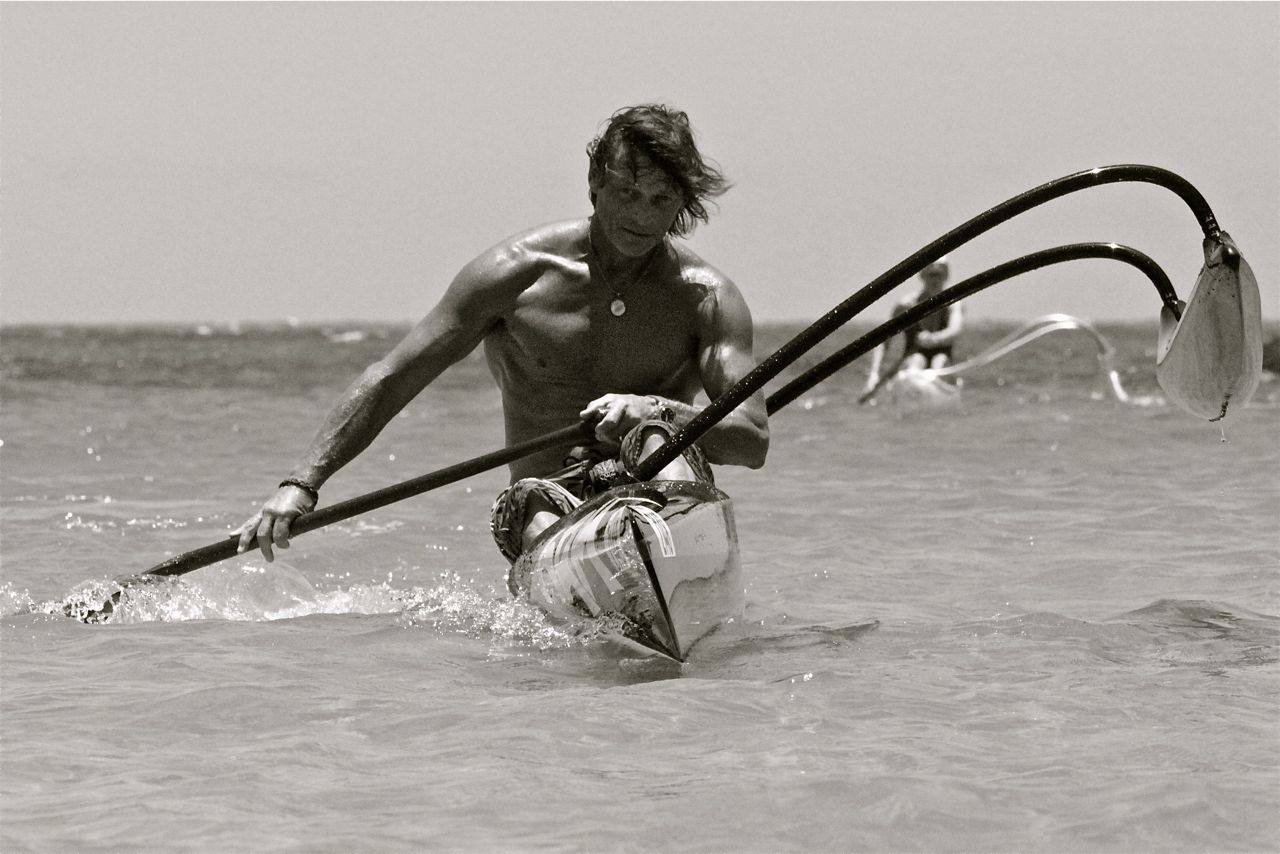
In early 1994, I travelled to Hawaii to research the sport in more depth, as little information was coming out of Hawaii to support its global growth demands and even less from Tahiti. As a participant, watersports journalist, and photographer with rudimentary graphic arts skills, I set out to create a one-off book, entitled Kanu Culture. Published in late 1994, it became the catalyst for more than I had imagined and was intended only for the Australian market. To my surprise, the response from Hawaiian and Californian paddlers was overwhelming.
1995 was a pivotal point in the sport’s evolution, and Kanu Culture got caught up in it, making it logical to turn it into an annual publication. In 1995, I made several trips to Hawaii and California and was mentored, in part, by Walter Guild, Todd Bradley, and even the late Mary Jane Kahanamoku, a long-serving IPCF secretary. That year, I visited Moloka`i, Queen Lili`uokalani, Catalina, and Hamilton Island, and interviewed key figures.
In that year, OC1 sport gained enormous traction, spreading outward from Hawaii. Canoe Sports Australia (Hawaii) manufactured the Ocean Master under license; Aussie Outrigger manufactured the Argonaut; and Mariner Outriggers, with Gordon Jeffery and Peter Anderson on the Gold Coast and ultimately Chris Maynard importing the Hurricane, among others. By then, I was paddling and racing OC1s and involved with Canoe Sports Australia until I changed to paddling a Hurricane. Races were forming, and rules were hurriedly put together, but struggled to keep pace with emerging Hawaiian designs, materials, fabrication processes, and advancing paddler skill levels.
The Kanu Culture series of books, which ran for over twelve years, led to my being supported and working directly with the tourism organisations of Tahiti, Fiji, Guam, Saipan, and New Caledonia, who paid my travel costs and accommodation, as did Hamilton Island. They recognised the need to promote their islands and connection to outrigger canoeing. Events brought people to their islands. I worked with their marketing teams and event organisers.
Event organisers or tourism officers would contact me and ask me to put crews together, funded by tourism boards, airlines and hotels; this happened for events in Tahiti, the Marquesas, and New Caledonia specifically, but I also organised crews to compete in Fiji and New Zealand to gain experience beyond Moloka`i. One year I managed to convince Shell Tahiti Va’a to compete at the Hamilton Cup. It cost them $75,000 USD to attend.
Somewhere in there, I also developed a Kanu Culture apparel line with a business partner, the late Colin Philp, based in Fiji. After five years, I licensed it to an Australian company managing Hot Tuna, Piping Hot, Jerry Lopez, and other brands. After two years, they folded, and I revoked the license. I did the same with the Kanu Culture publications, licensing them to a Sydney-based publisher that later entered voluntary receivership. It was devastating financially and emotionally after all I had created. I decided then to create a definitive line of books rather than a series.
How did you take your Kanu Culture books beyond Australia and establish an international presence? What were some of the challenges, opportunities and memorable experiences along the way?
From 1995 to 2004, I produced a Kanu Culture book each year. I sold them through retailers: Island Paddler Hawaii and Borders Books in the USA, Guam, France, and New Zealand. Online, they went everywhere: Brazil, South Africa, Singapore. California was always a big market. I printed 5,000 each year, and they sold out. 3,000 is considered a best seller in the publishing world for a non-fiction publication. That’s 50,000 books read on average by three people, for more than 150,000 reads over ten years.
In 2006, I released The Art and Skill of Steering, which has sold nearly 10,000 copies and is used frequently alongside steering clinics. In 2007, I published A Paddler’s Guide to the Ancient Sport of Kings, drawing on my previous books on techniques and equipment development.
On a trip to the UK in 2010, an Australian company offered me the chance to join the Academy of Surfing Instructors on Jamie Mitchell's recommendation, and I set about creating stand-up paddleboarding instructor syllabi for flat water, downwind, open water, and flat water rescue. I served as CEO for Europe and delivered courses throughout England, Ireland, Scotland, Wales, and Portugal up until 2013.
SUP attracted top outrigger canoeing athletes such as Travis Grant and Danny Ching. Unlike outrigger canoeing, SUP sponsorship paid well for some years. In 2012, after five years of research and participation, I published Stand Up Paddleboarding - A Paddler’s Guide. Producing a 500-page SUP book galvanised my work and spread my publications to a new demographic. It became the sport's bible.
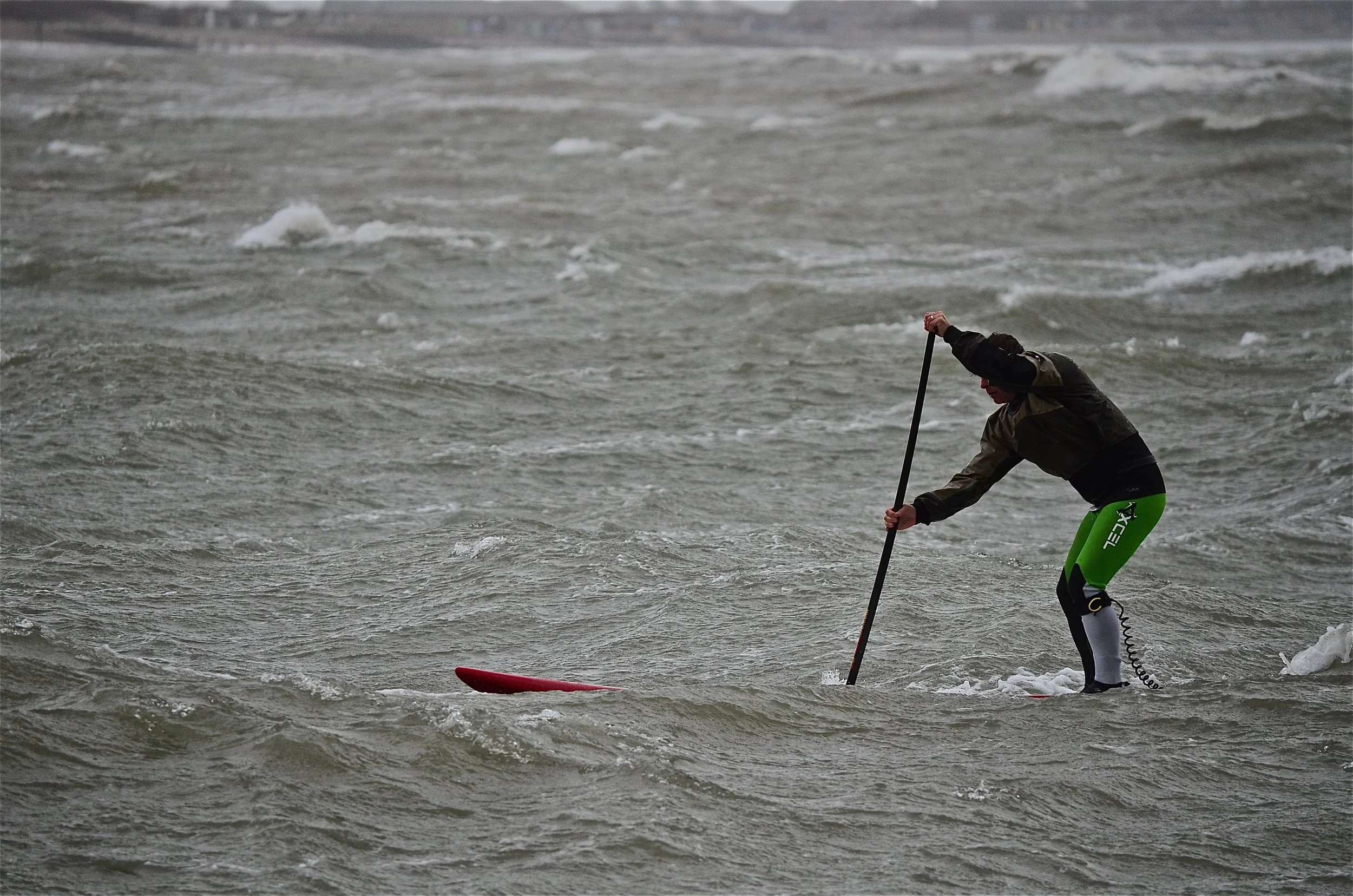
In mid 2013, I was in Fiji setting up a watersports facility for Leluvia Island and training staff. Outrigger canoeing and canoe sailing were part of the project. Here I wrote the OC1 and V1 books to complete a five-book set of definitive works. All these books are still in print and are sold worldwide via our online bookstore.
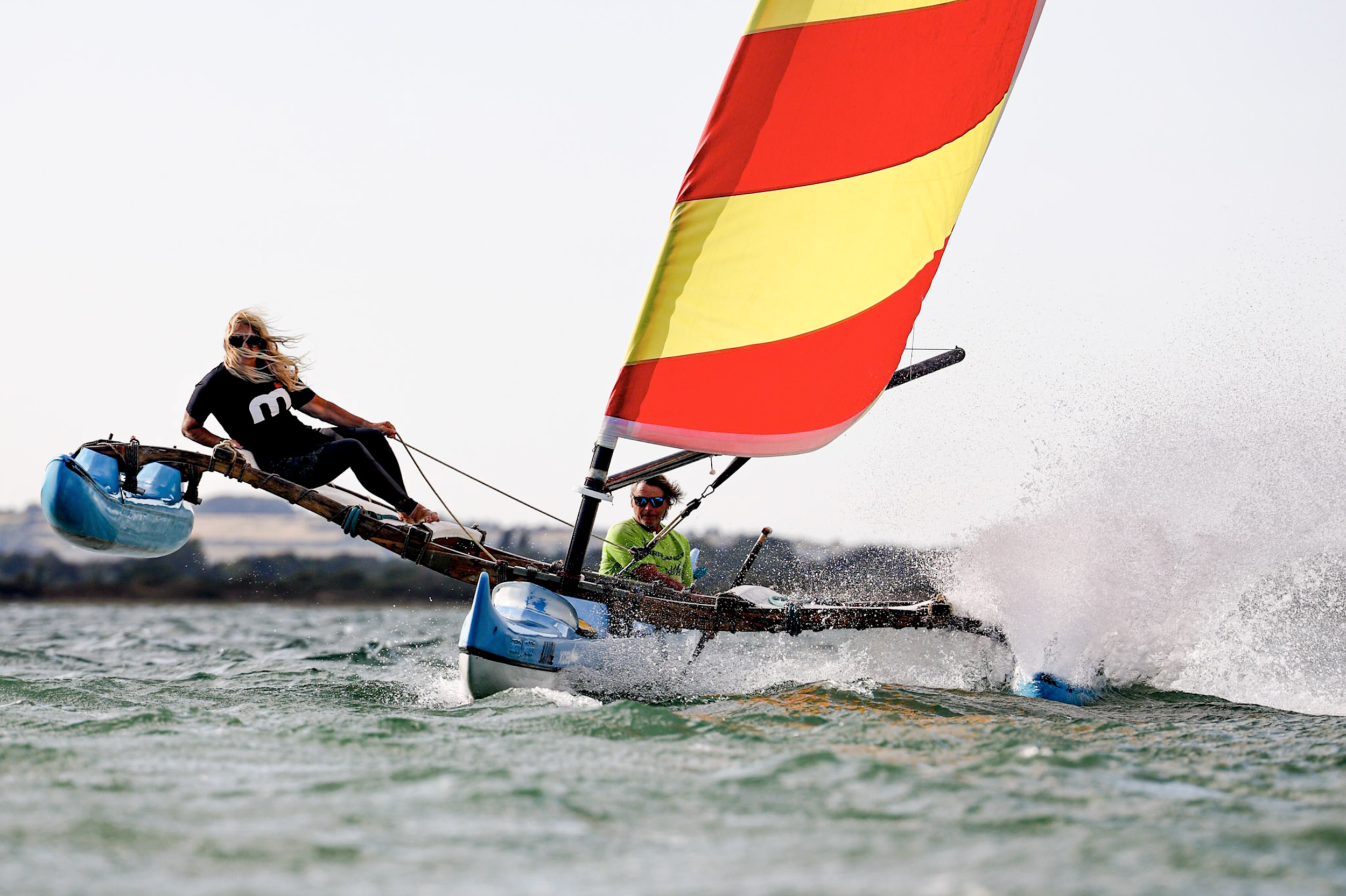
At the end of 2013, a Dutch-owned water sports company, Mistral, headhunted me, and I became involved in design, production, and marketing, ultimately serving as General Manager. I convinced the CEO to invest in Tahitian paddlers transitioning from va’a to SUP, in canoe sailing races and in the Ironmana Waterman event. I signed up Steevey ‘Boy’ Teihotaata, a modern-day legend of the sport; Bruno Tauhiro from Shell Va’a; and Rete Ebb, a four-time Super Aito winner. We invested nearly $500,000 USD over several years. I was stoked to give back to Tahiti. In 2022, I stepped down to become a consultant only.
Having contributed to outrigger canoe paddling as a competitor, coach, administrator, writer, and historian, what moments or achievements stand out most to you? What would you like to see for the future of our sport, both in Australia and internationally?
In 2014, I won the Media Ambassador category at the inaugural World Paddle Awards (WPA) presented at a gala ceremony in Bavaria, on May 9, 2015, and was inducted into the WPA Academy. Somehow I finished ahead of BBC journalists and others from around the world. It was a win for me individually and, in a sense, for outrigger canoeing. Most of my achievements have come about by putting in the hard yards; I'd rather not think about them too much.
As for the future of the sport, I sense it’s in a pretty good place globally, but politics, ego, money and cultural divides can make it problematic.
In the UK, where I have been for some time, the sport is controlled by just two individuals with deep pockets who are directly involved in importing and selling product; they don’t get along, clubs are splintering, and the governing body is awash with nepotism. One of them has been entrenched in the governing body from the beginning and seems to be the sport’s one and only coach for life. This clear conflict of interest and insatiable need to control the sport’s narrative have stunted its growth in this region, and I wonder where else in the world this is true; doubtless it is. This is the worst-case scenario afflicting the sport.
While the sport remains largely amateur and run by volunteers, it often makes for a thankless task that ends in dummy spitting, tears, or both. They are nevertheless the heroes behind the scenes. Beyond that, cronyism and traditional dogma have stifled the sport's growth, as long-serving committee members fail to listen to an ever-changing society, emerging lifestyle changes and what paddlers want.
Meanwhile, social media has played into the hands of no-name, self-proclaimed experts who post endless how-to technical guides; some are spectacularly counterintuitive and undermine the development of good paddling technique by failing to account for paddling styles, varied canoe forms, and water conditions. Some of them are also trying to sell you a product, like a paddle, surprise, surprise.
I realise this sounds cynical, but for every positive about the sport, some people try to cash in by any means possible, falling short of the spirit of aloha on which the sport was built. With this, we risk coaches being questioned and challenged at every session because Bob just watched the latest post from some ‘would-be if they could be’ in Oregon; seriously.
While youth may be the future, making it appealing to them is the challenge and the most pressing issue. As I once heard at a lecture at the University of Hawaii, ‘Old paddlers don’t retire; they just create new age divisions ’, and whilst that’s been true, they do inevitably hang up their paddles and call it a day; replacing them is critical, and having them share their stories or pass on their knowledge is a powerful way of encouraging new blood and stoking the fire.
In short, I would like to see more done to bring paddlers together rather than alienating them, and to ensure that those truly considered ambassadors are given the kudos and invitation to be more involved.
Paddle Life Australia media are doing a good job with race coverage, capturing and sharing great footage, but I wonder if they also need to explore podcast-style interviews to encourage deeper engagement and connection between coaches, paddlers, sponsors, and visionaries. It's not as easy as it sounds because, like using AI, you have to know the right questions to ask and not be afraid of breaking eggs to make an omelette. Further, you need deep knowledge of the sport, at home and overseas, to make such a concept thought-provoking, engaging and such that it can bring about change when needed, and consensus when stability is required. More thought is needed to offset the physicality the sport demands.
On a final note, the reinstatement of the Hamilton Cup in 2026 has been one of the best things to happen for the sport in Australia since it was allowed to wither and die. This puts Australia back on the international front foot, and it cannot be overstated how important it is to have such an event back on the calendar. Australian paddlers need one big, iconic, monumental event each year, ideally, just as Hawaii, Tahiti, California, New Zealand, and other countries do. It ran for 31 consecutive years. Today, the Marlin Coast Challenge has run for 19 consecutive years, making it the second-longest-running event, and I was one of the people behind it, working alongside Faye Lilley.